How Does Continuous Glucose Monitoring (CGM) Work?
Continuous glucose monitoring (CGM) is a modern method for tracking glucose levels throughout the day and night. Unlike traditional finger-prick testing, a CGM system measures glucose continuously, providing real-time data and trends rather than single measurements.
CGM systems are widely used by people with diabetes and are increasingly used by individuals who want better insight into their metabolic health.

What Is a Continuous Glucose Monitoring (CGM) System?
A continuous glucose monitoring system is a small, wearable device that measures glucose levels automatically.
A typical CGM system consists of:
- a small glucose sensor worn on the body,
- a transmitter (often built into the sensor),
- a mobile app or reader that displays the data.
The sensor sends glucose readings every few minutes to a smartphone app, allowing users to see their glucose levels, trends, and patterns in real time.
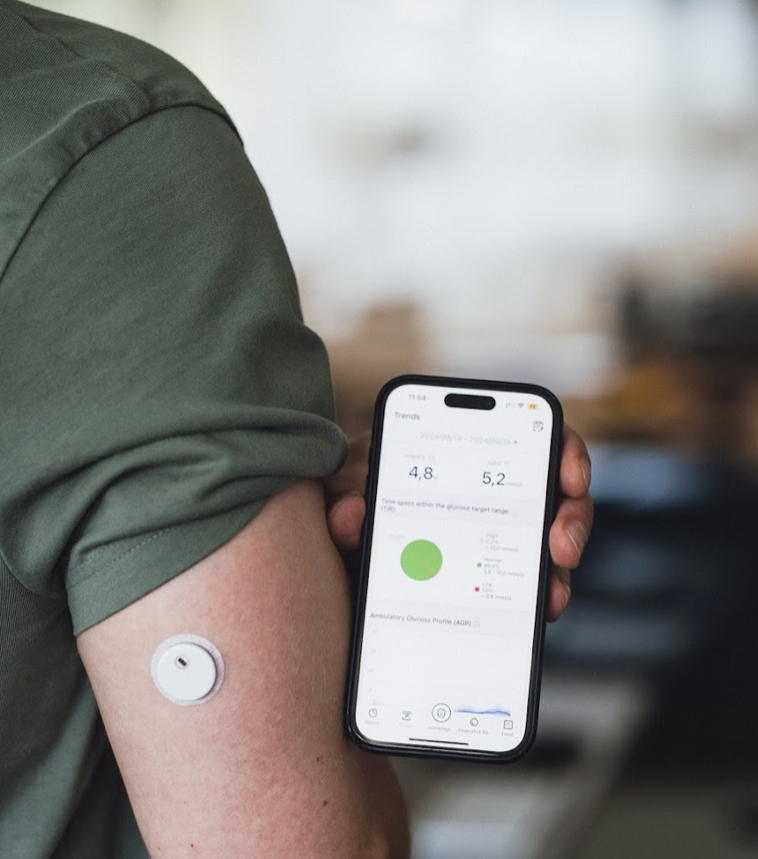
Where Does a CGM Measure Glucose?
A CGM does not measure glucose directly from blood.
Instead, the sensor measures glucose in the interstitial fluid — the fluid found between the body’s cells. This fluid reflects blood glucose levels very closely, with a short delay of approximately 5–15 minutes, especially when glucose levels are changing quickly.
This measurement method is scientifically validated and is the standard approach used by all modern CGM systems
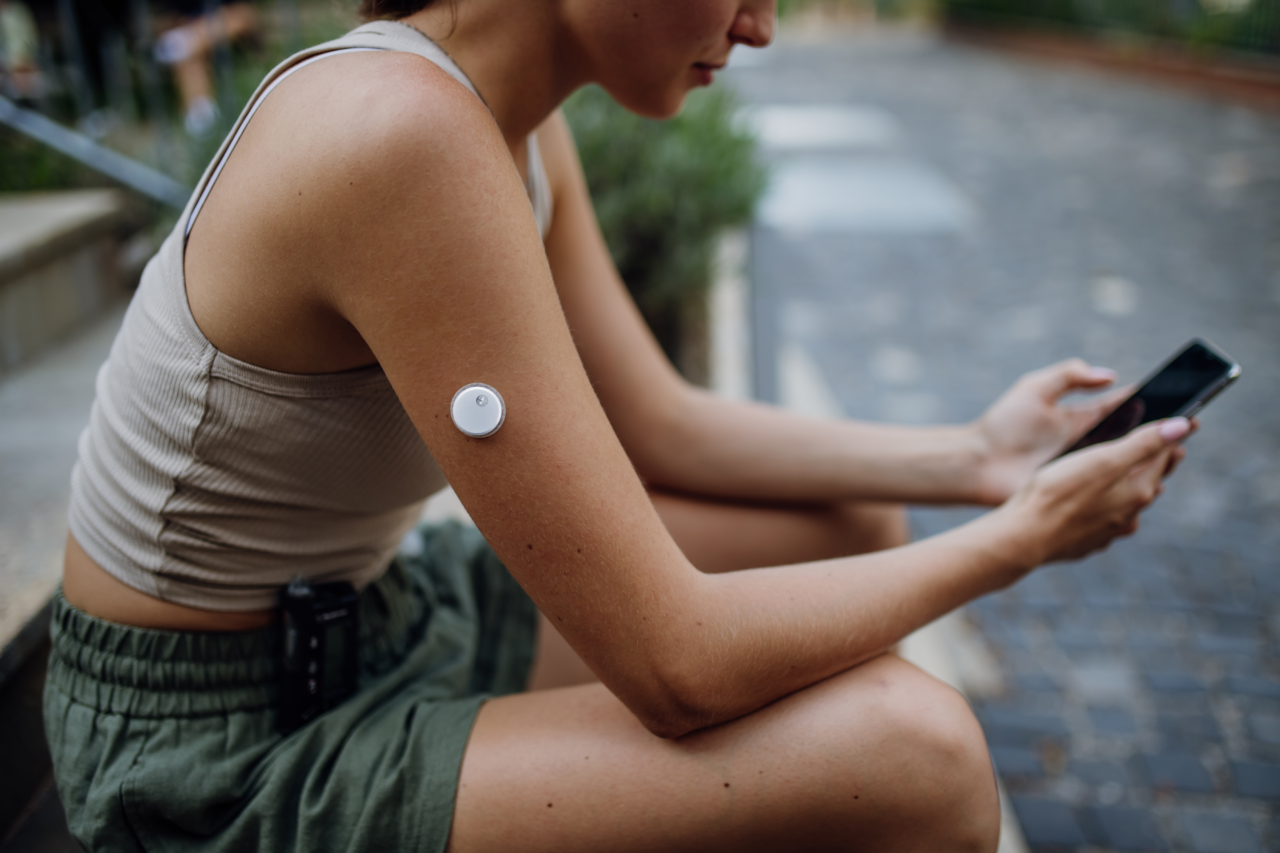
How Is the CGM Sensor Applied?
When applying a CGM sensor:
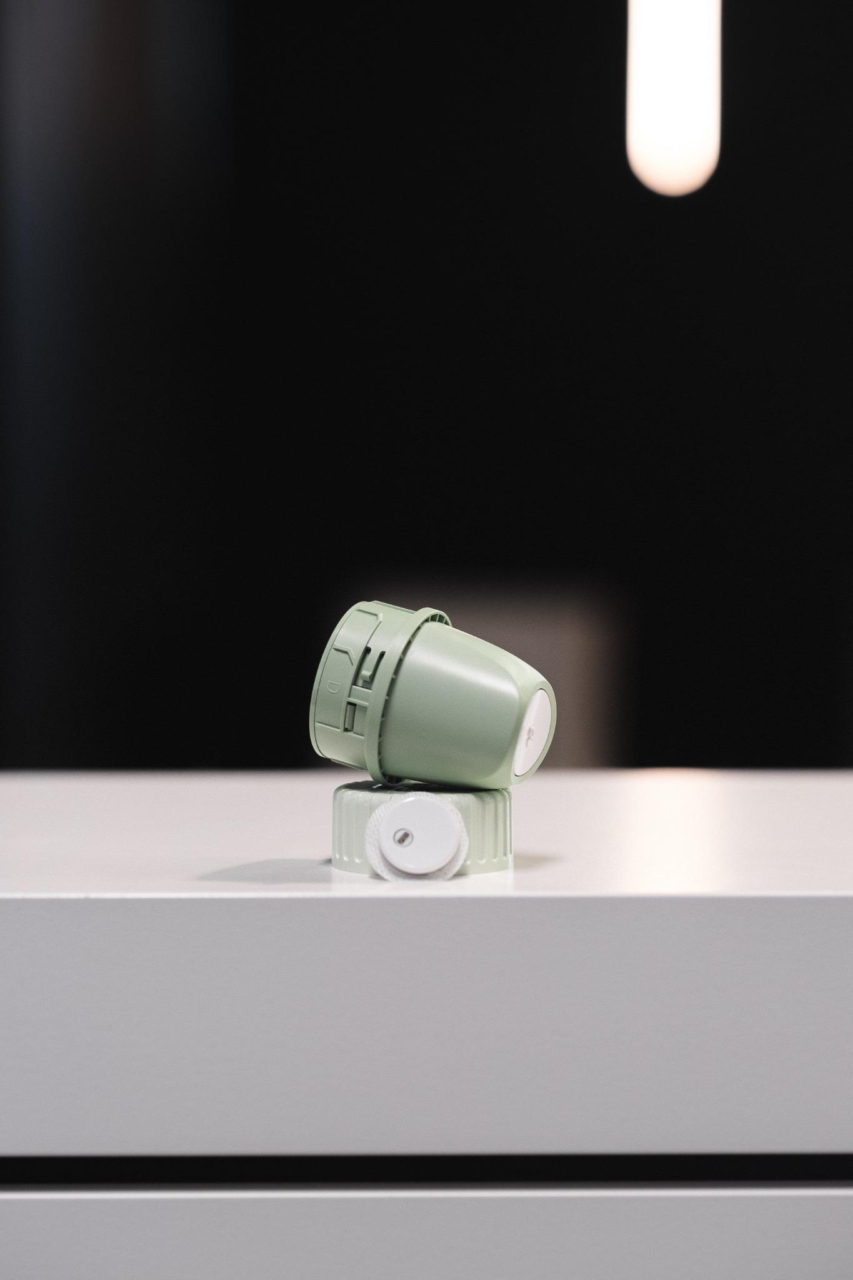
- a small, flexible filament is inserted just under the skin using an applicator
- the insertion needle is used only during application and is immediately removed
- the sensor itself is soft and cannot be felt once in place
The sensor is attached to the skin with a medical adhesive patch and is typically worn on areas with sufficient subcutaneous fat, such as the upper arm or abdomen.
How Often Does a CGM Measure Glucose?
Most CGM systems:
- measure glucose every 1–5 minutes
- provide 24/7 glucose monitoring
- display real-time values, trends, and historical data
This allows users to see:
- whether glucose is rising, falling, or stable
- how food, exercise, stress, and sleep affect glucose levels
- patterns that would be missed with occasional finger-prick tests

Why Use Continuous Glucose Monitoring?
Continuous glucose monitoring provides:
- a complete picture of glucose behavior, not just single values
- early warnings for low or high glucose levels
- better understanding of personal glucose responses
- improved confidence in daily glucose management
CGM turns glucose data into actionable insights rather than isolated numbers.

Who Can Benefit from CGM?
CGM systems are useful for:
- people with type 1 or type 2 diabetes
- individuals with prediabetes
- people interested in metabolic health
- athletes and health-conscious users seeking deeper insight into glucose responses

Why Can CGM and Finger-Prick Results Differ?
It is normal for CGM readings to differ slightly from finger-prick glucose tests.
Common reasons include:
- CGM measures interstitial fluid, not blood
- a short physiological delay during rapid glucose changes
- temporary pressure on the sensor (for example, when lying on it)
These differences are expected and are explained in CGM clinical guidelines